
Why We Build Homes Differently
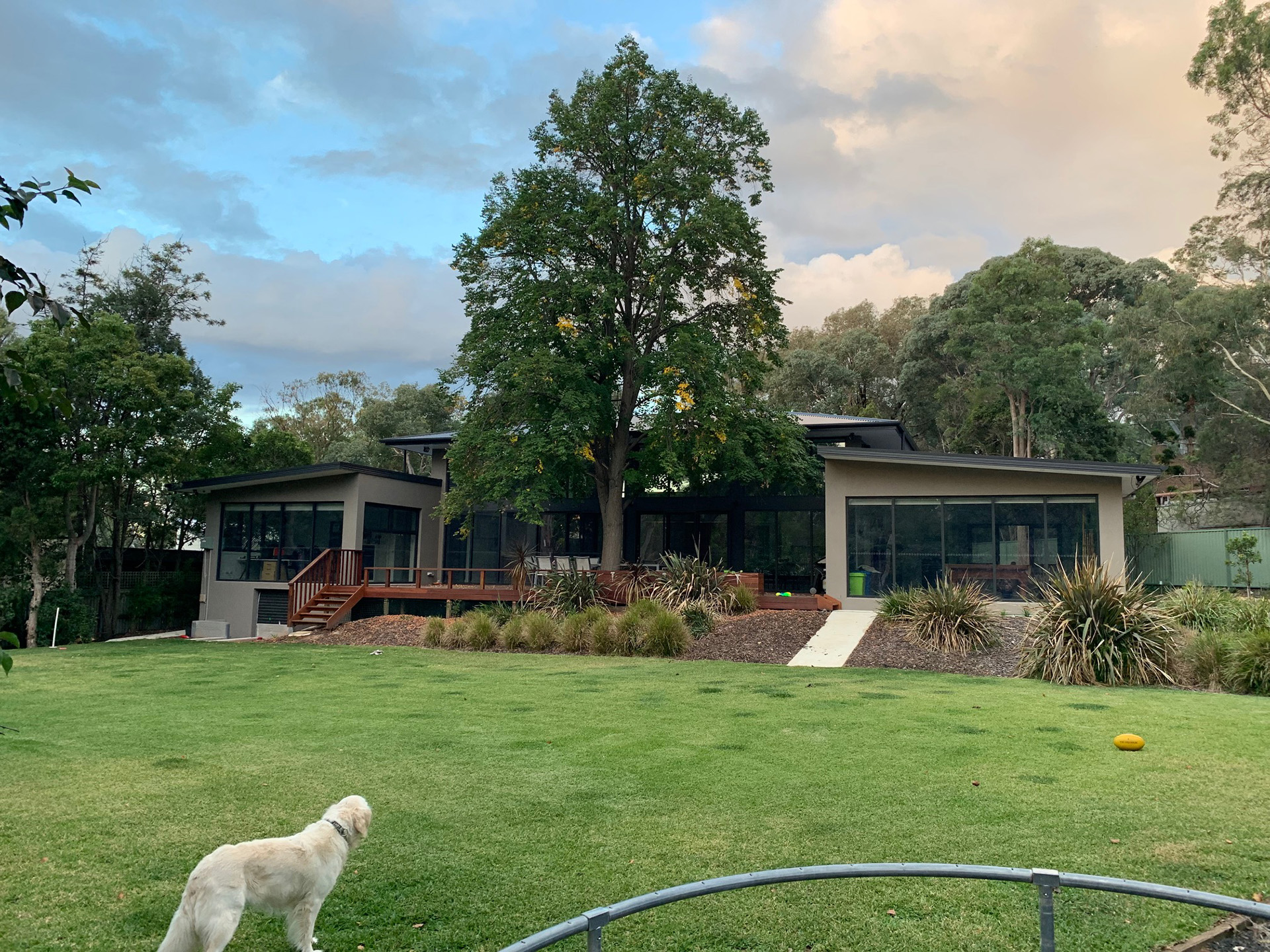
Because a quality home is shaped by much more than the finishes you see.
When people begin planning a new home,their attention naturally goes to the visible decisions: the layout, kitchen,materials, finishes and the way the completed spaces will feel. These choicesare important, but after years of working in residential construction, we have learned that many of the details that determine the true quality of a home are eventually hidden from view.
The way insulation is installed, how windows are sealed, how the building wrap is detailed and how moisture is managed can all influence how comfortable, efficient and durable a home will be. These elements disappear behind plaster board and cladding once construction is complete, but their impact can be felt throughout the life of the building.
At Coda Construct, our approach is based on understanding how every stage of construction contributes to the performance of the finished home. We are not interested in making building unnecessarily complicated or introducing systems simply because they are popular. Our focus is on sound construction methods, appropriate materials and careful workmanship that suit the project, the design and Australian conditions.
Looking Beyond Minimum Compliance
Building standards provide an important baseline for residential construction, but meeting the minimum requirements does not always mean a home will be as comfortable, efficient or durable as it could be. A compliant home can still be affected by draughts, uneven temperatures, poorly installed insulation or moisture problems if the construction details are not resolved and executed carefully.
This is what initially led Brady to take agreater interest in building science. Through years of working on homes, it became clear that two buildings could look similar on paper yet perform very differently once occupied. One might remain comfortable through the changing seasons, while another depends heavily on heating and cooling. One might manage moisture effectively, while another develops condensation or inconsistent internal temperatures.
There is rarely one product or feature responsible for that difference. More often, it comes down to how well the design intent has been understood and how carefully hundreds of individual decisions have been carried through during construction.
"A home can meet every requirement on paper, but the way it is put together on site will ultimately determine how well it performs."
- Brady, Coda Construct
The Importance of What Sits Behind the Finishes
A completed home is usually judged by what can be seen, but quality construction begins well before the finishes are installed. Insulation needs to be fitted correctly and continuously, rather than compressed, damaged or left with gaps. Building wraps need to be appropriate for the wall system and detailed carefully around openings, penetrations and junctions. Windows, flashings and cavities must work together to keep water out while allowing any moisture within the system to drain ordry.
None of these elements works in isolation. A high-performance window will not deliver its intended benefit if it has not been installed and sealed correctly. Quality insulation will be less effective if uncontrolled air can move around it. A carefully designed wall system can still be compromised when small details are missed on site.
This is why we place so much importance on the parts of a home that the owner may never see again. Once the walls are closed and the finishes are complete, these details become difficult and expensive to correct. Taking the time to get them right during construction is one of the most practical ways to protect the home's long-term performance.
Building for Comfort, Efficiency and Durability
A high-performing home is not defined by one material, system or energy rating. It is the result of the building working s a whole. The orientation and design of the home set the foundation, while insulation, glazing, airtightness, ventilation, moisture management and construction quality determine how successfully that design is delivered.
For the homeowner, the benefits are practical. A well-built home should be easier to keep comfortable through summer and winter, require less energy to heat and cool, and provide a more consistent indoor environment. It should also manage water and moisture effectively, helping to protect the structure and internal finishes over the longer term.
The aim is not to disconnect the home fromthe outdoors. Australian homes should still make use of natural light, breezes and favourable weather conditions. The objective is to reduce uncontrolled heatloss, heat gain and air movement while giving the people living in the home greater control over how it operates.
Working With Architects and Designers
Coda Construct does not design homes. Our role is to work closely with architects, building designers, engineers, energy assessors and other consultants to turn a considered design into a carefully constructed home.
Good collaboration is particularly important when a project includes high-performance materials or building systems that require precise sequencing and detailing. Understanding why a detail has been specified allows us to plan the work properly, communicate its importance to the trades involved and identify potential issues before they become costly problems.
We believe a builder should do more than follow the drawings without question. Part of our responsibility is to understand the intention behind the design, raise practical concerns where necessary and help find solutions that protect the performance, quality and architectural outcome of the project.
Learning From NatHERS and Passive House
Frameworks such as NatHERS and Passive House have helped improve the way the construction industry thinks about residential performance. NatHERS provides a valuable method for assessing how aproposed home may respond to its local climate, while Passive House has brought greater attention to air tightness, insulation, ventilation and continuity across the building envelope.
We do not believe every home needs to follow one standard exclusively. Both approaches offer principles that can improve a project, but each still relies on the design being translated properly during construction. A strong energy rating cannot compensate for poorly installed insulation, gaps in the building envelope or unresolved moisture details.
For us, the value of building science isthat it explains why construction decisions matter. It gives the builder, design team and client a clearer understanding of how the home is intended to perform and where particular attention is required throughout the build.
Quality That Continues Beyond Handover
For most clients, building a home is one ofthe largest investments they will make. Handover is an important milestone, bu tthe true quality of a home becomes clearer over the years that follow.
It can be felt in a living area that remains comfortable on a cold morning, a bedroom that does not overheat insummer, lower reliance on heating and cooling, and the absence of draughts, condensation and water-related problems. These outcomes are not created by one impressive feature. They are the result of careful planning, coordination and consistent workmanship across the entire project.
At Coda Construct, we believe a quality home should look considered when it is completed, but it should also continue to perform long after the finishes are no longer new. That is why we care about the details behind the walls, the way different materials connect and the standard of workmanship at every stage of construction.
"The details people never see are often the ones they will benefit from every day."
-Brady, Coda Construct
Planning a New Home?
Choosing a builder involves more than comparing inclusions and finishes. It is also about understanding how theyapproach construction, how they work with the design team and how muchimportance they place on the details that influence long-term performance.
Coda Construct builds architecturally designed homes with a focus on thoughtful construction, collaboration and quality workmanship. If you are planning a new home and would like to discussyour project, contact our team for an initial conversation.
Discuss your project
Talk to Coda Construct about building an architecturally designed home with quality, comfort and long-term performance in mind.